Strategic Typography: Leveraging New Smile for Brand Clarity and Engagement
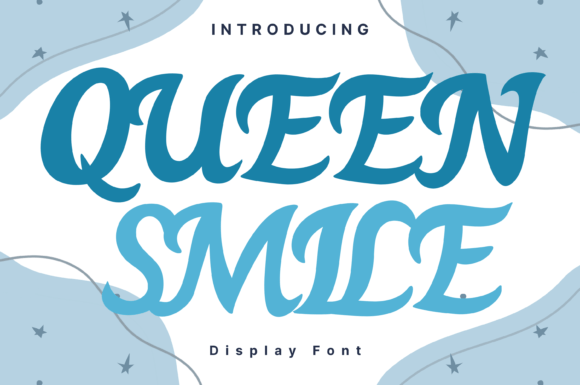
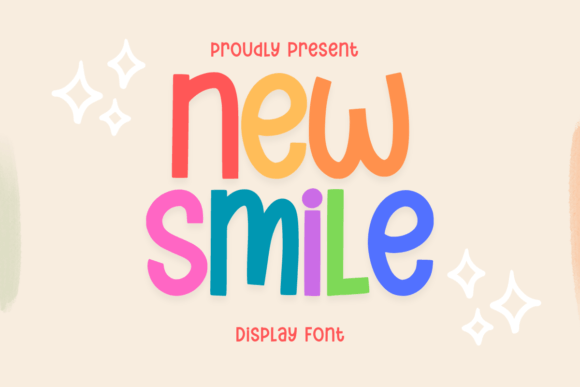
In the crowded digital landscape, where attention is the scarcest resource, the choice of typeface is rarely just an aesthetic decision; it is a strategic one. New Smile, a fun and casual-looking display font, represents more than a stylistic flourish. When integrated with intention, it becomes a powerful tool for shaping perception, guiding user behavior, and reinforcing brand positioning. For entrepreneurs, marketers, and creators aiming to cut through the noise, understanding how to deploy such a distinctive asset can mean the difference between a forgettable interaction and a memorable connection.
The core value of New Smile lies in its ability to humanize communication. In an era where consumers are increasingly skeptical of overly polished, corporate messaging, a font that exudes approachability and warmth can lower psychological barriers. However, the effectiveness of this font depends entirely on context. Using it without a clear strategic framework can dilute a brand's authority or confuse its audience. The goal is not merely to make things look "fun," but to align the visual tone with specific business objectives, whether that involves increasing conversion rates on a landing page, enhancing readability in educational materials, or solidifying a brand's personality in a competitive market.
Aligning Visual Tone with Strategic Goals
Before downloading or purchasing New Smile, decision-makers must ask a fundamental question: What behavior do we want to encourage? Typography acts as the voice of your content before a single word is read. A casual display font like New Smile signals openness, creativity, and friendliness. This makes it an exceptional asset for brands targeting younger demographics, lifestyle sectors, or industries rooted in personal well-being and community.
Consider the planning phase of a rebranding effort or a new product launch. If the objective is to position a service as accessible and non-intimidating, New Smile can serve as the visual anchor for that narrative. For instance, a financial literacy app aimed at Gen Z might use traditional serif fonts for data tables to ensure trust, but employ New Smile for headers and call-to-action buttons to reduce anxiety and invite engagement. This deliberate contrast creates a hierarchy that guides the user: serious information is presented seriously, while the invitation to act is presented warmly.
Conversely, relying on this font for high-stakes legal documents or emergency services communications would be a strategic error. The casual nature of the typeface could inadvertently signal a lack of rigor or urgency. Therefore, the utility of New Smile is bounded by its appropriateness. It excels in environments where the goal is to build rapport, spark joy, or simplify complex ideas, but it requires a supporting cast of neutral sans-serif or serif fonts to maintain overall credibility and readability in long-form content.
Practical Applications Across Industries
The versatility of New Smile allows it to function effectively across various operational contexts, provided it is used with discretion. Below are several scenarios where this font can drive tangible results:
- Marketing Campaigns: In social media graphics and email headers, New Smile can increase click-through rates by making promotional offers feel less like sales pitches and more like friendly recommendations. Its distinct character stops the scroll in a feed dominated by generic geometric sans-serifs.
- Educational Content: For educators and publishers creating materials for children or adult learners in creative fields, this font can reduce cognitive load. The friendly letterforms make learning environments feel safer and more inviting, potentially improving retention and participation.
- Packaging and Product Design: Small business owners selling artisanal goods can use New Smile on packaging to convey a handmade, personal touch. This differentiates the product from mass-produced competitors and justifies a premium price point through perceived authenticity.
- User Interface (UI) Elements: While not suitable for body text on mobile screens due to its display nature, New Smile works exceptionally well for empty states, onboarding screens, and success messages. These micro-interactions benefit greatly from a tone that celebrates the user's progress.
For freelancers and agencies, adding New Smile to a font library expands the toolkit for solving specific client problems. It is not a universal solution, but a specialized instrument. When a client needs to pivot from a stiff, corporate image to something more dynamic, swapping the primary display font to New Smile can be the fastest way to visualize that shift during the prototyping phase.
Risks of Indiscriminate Use
Every design asset carries risk if deployed without governance. The primary danger with a font as characterful as New Smile is overuse. Because it demands attention, using it for everything—from headlines to subheads to captions—creates visual fatigue. The eye needs rest; if every element is shouting for attention, nothing stands out. This leads to a chaotic user experience where the hierarchy collapses, and the core message gets lost.
Furthermore, there is the risk of tonal dissonance. If a brand's voice is authoritative and data-driven, but its visual identity relies heavily on a playful font, the audience may perceive the brand as inconsistent or immature. This disconnect erodes trust. Strategic typography requires harmony between what you say and how it looks. Before committing to New Smile as a primary brand asset, conduct a audit of your existing content. Does the personality of the font match the reality of your operations? If you are selling high-end security systems, the "fun" aspect of New Smile might undermine the very promise of safety you are selling.
Another consideration is accessibility. Display fonts often feature unique ligatures, varying stroke widths, or unconventional letter shapes that can be difficult for individuals with dyslexia or visual impairments to decipher. While New Smile is legible in large sizes, it should never replace accessible, standard fonts for critical information. Ethical design dictates that we prioritize inclusivity; therefore, New Smile should be reserved for decorative or emphatic purposes, ensuring that all users can access the core content regardless of their visual abilities.
Implementation Strategy for Long-Term Value
To maximize the return on investment for New Smile, treat it as part of a broader design system rather than an isolated purchase. Develop clear guidelines on when and how it should be used. Define specific use cases, such as "primary headlines only" or "promotional banners," and explicitly list where it is forbidden, such as "legal disclaimers" or "data-heavy tables."
Planning for scalability is also essential. As your brand grows, your typography needs will evolve. Ensure that New Smile pairs well with a robust library of secondary fonts. A strong pairing might involve New Smile for impact and a clean, highly readable sans-serif like Inter or Roboto for body copy. This combination allows you to maintain the emotional resonance of the display font while ensuring that long-form articles, reports, and interface text remain easy to consume.
Regularly review the performance of your creative assets. If you notice that campaigns utilizing New Smile are underperforming in terms of engagement or conversion, analyze whether the font is the culprit. A/B testing different typographic treatments can provide empirical data on whether the casual tone resonates with your specific audience segment. Data-driven decisions prevent you from clinging to a style preference that no longer serves your business goals.
Making the Final Decision
Ultimately, adding New Smile to your collection is a decision about the future trajectory of your brand's communication. It is an investment in a specific type of relationship with your audience—one built on warmth, approachability, and human connection. But like any investment, it requires due diligence. Evaluate your current brand positioning, understand your audience's expectations, and define the specific problems you need this font to solve.
When used thoughtfully, New Smile elevates creations by injecting personality into sterile layouts and softening the edges of commercial transactions. It reminds the audience that there are real people behind the screen. However, its power is contingent on restraint and context. By approaching New Smile with a strategist's mindset—focusing on outcomes, planning for integration, and respecting the nuances of visual psychology—you transform a simple font file into a catalyst for better branding, clearer communication, and sustained growth. The result is not just a prettier design, but a more effective one that drives meaningful results over the long term.