Reviving the Y2K Aesthetic: How Mescio Bubble Fonts Are Redefining Modern Digital Design
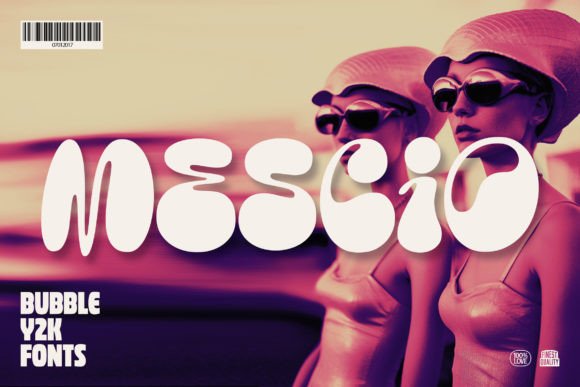
The design landscape is cyclical, constantly borrowing from the past to inform the future. Currently, we are witnessing a massive resurgence of early 2000s aesthetics, a movement driven by a collective desire for the optimism, vibrancy, and digital experimentation that defined the turn of the millennium. At the heart of this visual renaissance lies Mescio, a premier bubble font collection that serves as more than just a typographic tool; it is a gateway to an era of pop music, neon lights, and cyber dreams. For professionals, creators, and entrepreneurs looking to capture attention in a saturated digital marketplace, understanding the power of this specific aesthetic is no longer optional—it is a strategic imperative.
The Strategic Value of Nostalgia in Modern Branding
Nostalgia has evolved from a sentimental feeling into a potent marketing force. In an age where minimalism and flat design have dominated for over a decade, audiences are craving texture, personality, and a sense of playful rebellion. This shift represents a changing preference in consumer behavior; people are tired of sterile interfaces and are seeking connections that feel human, tangible, and emotionally resonant. The early 2000s offered a unique blend of analog warmth and digital novelty, a sweet spot that brands are now eager to replicate.
Mescio fits perfectly into this broader industry trend. It allows marketers and designers to tap into the cultural memory of Millennials while introducing Gen Z to a stylized version of history they find intriguingly retro. When you integrate these bubble fonts into your projects, you are not merely choosing a style; you are signaling an alignment with a lifestyle that values fun, creativity, and individuality. This is particularly relevant for indie artists and music producers who need their visual identity to stand out amidst the noise of streaming platforms and social media feeds.
Why the Early 2000s Aesthetic Matters Now
The renewed interest in Y2K design is not accidental. It correlates with a period of rapid technological change and uncertainty, much like the original era. Just as the turn of the millennium was marked by a belief in a bright, high-tech future, today's creators are looking back at that time for inspiration on how to navigate the complexities of the modern digital world. The bubbly, inflated shapes of fonts like those found in the Mescio collection evoke a sense of approachability and softness that counters the often harsh, algorithmic nature of current online experiences.
Furthermore, the "pop" culture of the early 2000s was characterized by bold colors, glossy textures, and a lack of fear regarding excess. Today's consumers, overwhelmed by information overload, respond positively to designs that are unapologetically bold yet simple in their message. Bubble fonts cut through the clutter. They demand attention without being aggressive, creating a visual hook that encourages engagement. For entrepreneurs launching new products or freelancers pitching to clients, leveraging this aesthetic can differentiate a brand as confident and culturally aware.
Practical Applications Across Creative Workflows
Integrating Mescio into your workflow requires more than just swapping out a standard sans-serif for a display font. It involves a holistic approach to design that considers color, layout, and medium. The versatility of bubble typography allows it to function effectively across various formats, from large-scale event posters to intricate social media graphics.
Consider the following practical scenarios where this typographic style excels:
- Music Promotion: Indie artists can use these fonts to create album covers and tour posters that immediately communicate a vibe of energy and nostalgia. The rounded edges of the letters mimic the sound waves of upbeat pop tracks, creating a synesthetic experience for the viewer.
- Fashion and Lifestyle Branding: Streetwear brands and lifestyle blogs often utilize Y2K aesthetics to appeal to a younger demographic. Using Mescio for headlines or logo lockups can instantly position a brand within the "cool" factor of the current fashion cycle.
- Digital Campaigns: Marketers running limited-time offers or summer campaigns can employ these fonts to inject a sense of urgency and fun. The playful nature of bubble text reduces the perceived pressure of a sales pitch, making the call to action feel more like an invitation to a party.
- Packaging Design: For physical products, especially in the beauty and beverage sectors, embossed or glossy bubble lettering on packaging can create a tactile experience that stands out on shelves dominated by minimalist typography.
Adapting Workflows for Maximum Impact
The adoption of specialized fonts like Mescio also reflects a shift in creative workflows. Designers are moving away from rigid grid systems towards more fluid, organic compositions that allow typography to become the primary visual element. This requires a deeper understanding of kerning, leading, and color theory to ensure that the bold shapes of bubble fonts remain legible and effective.
Moreover, the technology behind font rendering has improved significantly since the early 2000s. Today, web fonts load faster and render more crisply across devices, meaning that the nostalgic look of Y2K design can be achieved without sacrificing performance or accessibility. This technological advancement allows creators to push boundaries, using complex gradients and shadows within the letterforms themselves, something that was technically difficult to achieve reliably two decades ago.
Connecting to Larger Cultural Developments
The rise of Mescio and similar typefaces is symptomatic of a larger cultural development: the blurring lines between the physical and digital worlds. As we move further into the era of virtual reality and the metaverse, the aesthetics of the early internet are being re-evaluated not as outdated, but as foundational. The "cyber dreams" of the past are becoming the reality of the present, and the visual language of that transition is rooted in the playful, experimental graphics of the Y2K era.
For professionals, this means staying ahead of the curve involves looking backward. It requires an appreciation for the design trends that shaped the current digital infrastructure. By mastering tools like the Mescio bubble font collection, creators are not just making things look "retro"; they are participating in a dialogue about the evolution of digital expression. They are acknowledging that the future of design may well be a remix of its most optimistic past.
Final Thoughts on Embracing the Vibe
In conclusion, the decision to use Mescio is a decision to embrace a specific energy. It is about capturing the spirit of a time when the internet felt like a frontier of endless possibility and pop culture was vibrant and unchecked. Whether you are designing a poster for a local gig, crafting a brand identity for a startup, or simply adding a nostalgic touch to a personal project, these fonts offer a unique way to connect with audiences on an emotional level.
As we continue to navigate a rapidly changing technological landscape, the comfort and joy found in familiar aesthetics provide a grounding force. Make your music stand out, make your creative projects scream "Y2K," and get ready to party like it's 1999. The tools are available, the trend is here, and the opportunity to redefine your visual voice with the ultimate bubble font collection is now. Step back into the vibrant world of the early 2000s and let Mescio transport your work to a place where creativity knows no bounds.
By integrating these insights into your strategy, you ensure that your work remains relevant, engaging, and deeply connected to the cultural zeitgeist. The future of design is colorful, bold, and undeniably bubbly.